
Key considerations before choosing do it yourself divorce in Texas begin with one simple truth. Divorce is more than just paperwork. It involves finances, parenting, and often emotional strain. Choosing to handle it without legal help might seem efficient. But it requires clear planning and full awareness of the law. Understanding the potential risks and limitations is essential before you commit to going it alone.
What Do It Yourself Divorce Really Means
Handling your own divorce means you complete all necessary steps without a lawyer. You prepare documents, file forms, and represent yourself. In Texas, this is legally allowed. You are not required to hire an attorney. This option works best when both parties agree on everything. That includes property, debts, and custody. If the divorce is uncontested, the process may go smoothly. But even a small disagreement can complicate things fast.
You must meet residency rules before filing. At least one spouse must have lived in Texas for six months. You must also have resided in the county of filing for at least 90 days. Without this, the court cannot accept your case. These basic legal rules are the first of many key considerations before choosing do it yourself divorce in Texas.
Understanding the Limits of Simplicity
Uncontested divorce sounds easy. But simple is not the same as easy. Even when spouses agree, preparing correct paperwork takes effort. You need to complete forms accurately and file them at the right time. You must also follow legal procedures without mistakes. Texas courts will not give you special treatment. Judges expect all parties to follow the law, with or without legal counsel.
Divorcing couples sometimes assume they agree on everything. But once it comes time to write it down, conflicts emerge. If a disagreement arises mid-process, your case may no longer qualify as uncontested. That change can require legal review, especially when emotions run high. One of the key considerations before choosing do it yourself divorce in Texas is whether your agreement can hold firm through the process.
Legal Terms and Property Division
Texas follows community property rules. Any income or property gained during marriage usually belongs to both spouses. Dividing this property fairly can be challenging. Some assets may seem equal in value but have hidden tax or ownership consequences. Pensions, retirement accounts, and home equity can add more layers.
Separate property is not divided. It includes anything owned before marriage or received by gift or inheritance. But proving what is separate and what is community can be difficult. This makes financial disclosures important. In a do it yourself divorce, you must disclose everything honestly. One of the key considerations before choosing do it yourself divorce in Texas is knowing if you can manage these financial calculations.
Handling Divorce With Children Involved
Divorce becomes more complex when children are part of the family. Parents must agree on custody, support, and visitation. Texas law focuses on the best interests of the child. Courts expect a parenting plan that clearly outlines responsibilities. These include physical custody, legal decisions, and financial support.
Texas uses standard guidelines for child support. But those rules still require calculations and documentation. Mistakes or vague plans can delay your case. You must also file special documents when children are involved. These include the Standard Possession Order and Medical Support Order. Understanding what the court requires is critical. This is one of the most important key considerations before choosing do it yourself divorce in Texas.
Facing the Court System Alone
Even if your case is uncontested, you may need to appear in court. Some counties allow final hearings by affidavit. Others require a personal appearance. Judges will ask questions to confirm the terms are fair and complete. You must answer those questions confidently.
Self-representation means knowing court procedure. You need to understand deadlines, legal terminology, and filing rules. If your paperwork is missing or incorrect, the court may dismiss your case. That means starting over. Preparing for court is one of the key considerations before choosing do it yourself divorce in Texas. Being calm and informed helps you avoid costly mistakes.
The Critical Role of Legal Forms
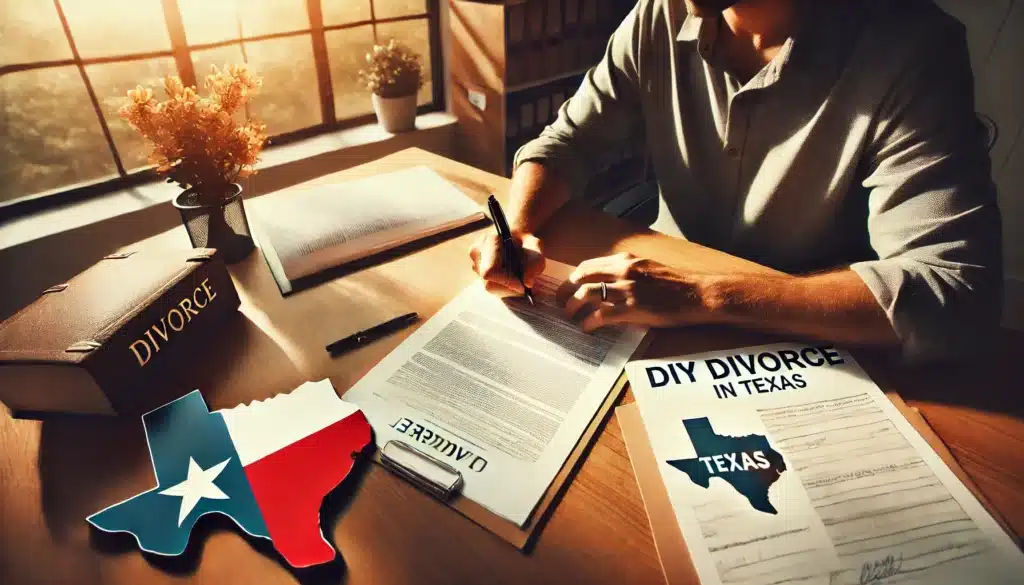
Texas provides free divorce forms through official websites. These forms must be completed correctly. Small errors can lead to delays or dismissal. Using the wrong form for your situation can create more issues.
Some forms change depending on whether children or property are involved. Others require notarization or special delivery to the other spouse. Filing without understanding each step may result in an incomplete divorce. Reviewing each form for accuracy is time-consuming but necessary. One of the key considerations before choosing do it yourself divorce in Texas is knowing how to use these forms correctly the first time.
| Form Type | Details and Use Case |
| Certified Divorce Forms | Official documents required by the court. Used in legal filings and must meet court standards. |
| Unofficial Divorce Forms | Draft or sample forms. Useful for personal preparation but not accepted in court filings. |
When Mediation Might Be Better
Mediation offers another option. A neutral third party helps resolve disputes. This can save time and avoid court. Mediation costs less than hiring a lawyer for full representation. It works best when both spouses are willing to compromise.
Mediation allows control over the outcome while avoiding courtroom stress. It also encourages open communication. Many couples choose mediation to resolve final details. If you want to keep legal costs low but still need guidance, this may help. Consider mediation as one of the key considerations before choosing do it yourself divorce in Texas.
Your Spouse’s Willingness to Cooperate
Do it yourself divorce depends on cooperation. Both spouses must sign and return necessary paperwork. If one spouse delays or refuses, the process stops. A do it yourself approach cannot succeed without full participation from both sides.
You also need to trust that your spouse is disclosing all financial details. If you suspect dishonesty, self-representation may not be the best choice. Disputes over money or parenting can quickly derail your plans. Evaluate your spouse’s attitude honestly. Cooperation is one of the most practical key considerations before choosing do it yourself divorce in Texas.
Time, Stress, and Emotional Readiness
Divorce takes an emotional toll. Doing it yourself adds responsibility. You must complete paperwork, follow court rules, and manage deadlines. All while navigating personal loss and change. For many, this added stress becomes overwhelming.
Emotional readiness is often overlooked. But your mental energy matters. You need time to think clearly, especially when making long-term decisions. If stress clouds your thinking, mistakes happen. Emotional health should be one of your key considerations before choosing do it yourself divorce in Texas. Know your limits and plan accordingly.
Cost Savings and Financial Trade-Offs
One of the biggest appeals of do it yourself divorce is the cost. Legal fees add up quickly. Filing your own case may save hundreds or even thousands of dollars. But savings come with trade-offs.
A mistake in property division or support orders can cost more in the long run. Fixing a poorly handled divorce may require hiring an attorney later. Weigh the cost of getting it right the first time. That balance between savings and risk is one of the key considerations before choosing do it yourself divorce in Texas.
Knowing When to Seek Help
Even if you want to represent yourself, occasional legal advice helps. Some attorneys offer limited-scope services. This means you pay only for what you need. Examples include document review or court preparation.
Legal aid organizations also offer support for those with limited income. If you cannot afford full representation, seek resources early. Do not wait until problems arise. Combining self-help with limited guidance often works best. That flexible approach is among the most helpful key considerations before choosing do it yourself divorce in Texas.
Finalizing and Filing the Right Way
Once all documents are prepared, you must finalize and file them. This includes delivering copies to your spouse and waiting the required 60-day cooling-off period. After that, you request a final hearing.
Some courts allow electronic filing. Others require paper forms. Make sure to file with the correct court and follow local rules. You may also need to pay a filing fee, which varies by county. Completing this step correctly is the final hurdle. One last filing mistake can delay your divorce. Being detail-oriented is one of the final key considerations before choosing do it yourself divorce in Texas.

In Wrapping Up
A do it yourself divorce can be the right choice for some individuals, especially in cases that are straightforward and uncontested. It allows you to retain control over the process and avoid the often high costs associated with legal representation. However, it is not a decision to take lightly. It requires more than just basic knowledge of court procedures. You need patience, thoroughness, and the ability to remain objective while handling deeply personal matters.
Every form must be filled out with care. Deadlines must be met. Court instructions must be followed precisely. There is no room for guesswork. You must understand the consequences of each document you submit and the long-term effects of the decisions you agree to. Without legal support, you alone are responsible for ensuring everything is in order. That responsibility can feel overwhelming, particularly when emotions run high.
Take the time to understand the law in your county
By thinking through the key considerations before choosing do it yourself divorce in Texas, you give yourself the chance to weigh both the benefits and the limitations. Look at the full picture. Are your financial assets clearly understood? Are there children involved who will be affected by custody or support plans? Have you and your spouse committed to full honesty and cooperation? These questions help determine whether self-representation is realistic for your case.
Make sure your emotions will not cloud your judgment. Review your forms more than once and don’t rely on assumptions. Most importantly, know when to seek outside support. If the process feels too complex or the stakes are too high, legal help is a wise investment. Your future depends on the decisions you make now, so give yourself the best foundation possible. When carefully approached, a do it yourself divorce can work. But never sacrifice long-term security for short-term convenience.
Other Related Articles:
- Avoid These Costly DIY Divorce Mistakes: A Survival Guide
- Investigating the Emergence of DIY Divorces in Texas
- Wrangling Your Own Destiny: DIY Divorce in Texas
- Can You Get Divorced Without a Lawyer in Texas? The Ultimate DIY Guide
- Best Texas Divorce FAQs: Your Essential Guide
- How the Cost of Divorce in Texas Could Affect Your Future
- Key Considerations Before Choosing How To File For Divorce
- Avoid These Mistakes When Considering Divorces In Texas
- Understanding How To File For Divorce In Texas Without A Lawyer
- What Are Financial Mistakes That You Should Seek to Avoid in Your Divorce Case?