
If you are wondering how do you divorce a spouse who is in a foreign country, you are not alone. The short answer is yes, you can. The longer answer, however, involves understanding how Texas law handles jurisdiction, service of process, property division, and child-related issues when one spouse lives abroad. The international divorce process is not a separate type of divorce under Texas law, but it does require additional procedural steps that must be handled correctly.
When your spouse lives outside the United States, the divorce itself may still be granted in Texas if you meet residency requirements. However, enforcing financial orders, dividing international assets, or addressing child custody across borders introduces added complexity. The key is understanding where Texas courts have authority and where international treaties or foreign legal systems come into play.

Texas Residency Requirements: The First Legal Hurdle
Before a Texas court can grant a divorce, at least one spouse must satisfy the state’s residency rules. This requirement applies even if the other spouse has never lived in Texas or has moved abroad permanently. Under Texas Family Code Section 6.301, one spouse must have been domiciled in Texas for at least six months before filing and must have resided in the county of filing for at least 90 days.
These residency requirements are jurisdictional. If they are not met, the court does not have authority to grant the divorce. Importantly, only one spouse needs to meet the requirement. That means you can file in Texas even if your spouse now lives in Europe, Asia, or anywhere else, as long as you satisfy the Texas residency rules.
Jurisdiction: What the Texas Court Can and Cannot Do
Meeting residency requirements allows the court to dissolve the marriage, but it does not automatically give the court full authority over every issue in your case. Jurisdiction determines what legal decisions the court is allowed to make.
A Texas court can grant a divorce based on your residency alone. However, to divide property, order spousal maintenance, or impose child support, the court typically needs personal jurisdiction over your spouse. Personal jurisdiction exists when your spouse has sufficient connections to Texas, such as previously living in the state, owning property in Texas, or having other meaningful contacts with the state.
If the court lacks personal jurisdiction, it may still legally end the marriage but may be limited in issuing binding financial orders against your spouse. This distinction is critical in international cases. Many people assume that once a divorce is granted, all issues are resolved. In reality, the court’s power may be narrower when the responding spouse lives abroad.
Serving a Spouse Who Lives Overseas
Proper service of process is one of the most important components of the international divorce process. If your spouse is not properly served, the entire divorce could later be challenged and potentially overturned. Texas courts require strict compliance with procedural rules to protect due process rights.
Option 1: Waiver of Service
The simplest path is cooperation. If your spouse agrees to participate in the divorce, they can sign a waiver of service. In Texas, the waiver must be signed after the petition is filed and must comply with Texas Rule of Civil Procedure 119. It must be notarized and include specific statutory warnings required in divorce cases.
Your spouse can sign before a local notary in their country or at a U.S. embassy or consulate. Once properly executed and filed, this eliminates the need for formal international service. In many cases, cooperation significantly simplifies how do you divorce a spouse who is in a foreign country because it avoids the delays and costs associated with international service procedures.
Option 2: Service Under the Hague Convention
If your spouse does not agree to waive service, formal international service may be required. Many countries are signatories to the Hague Convention on the Service Abroad of Judicial and Extrajudicial Documents. This treaty establishes procedures for serving legal documents across international borders.
Service under the Hague Convention is not uniform across all countries. Each participating country designates a Central Authority and may impose specific requirements, including translated documents and specialized forms. Some countries permit service by mail, while others strictly prohibit it. The process can take several months depending on the foreign country’s procedures.
Because the Convention preempts inconsistent service methods in member countries, Texas courts must ensure compliance when applicable. Failure to follow Hague procedures may result in invalid service.
Option 3: Alternative Service or Publication
If you cannot locate your spouse after diligent efforts, Texas courts may allow service by alternative means or publication under Texas Rules of Civil Procedure 106 and 109. However, when the spouse resides in a Hague Convention country, alternative methods must not violate that country’s objections under the treaty.
Service by publication is considered a method of last resort. While it may allow a court to proceed, judgments entered without proper notice may be vulnerable to later challenge. Courts carefully scrutinize due diligence efforts before authorizing these methods.
Child Custody Across International Borders
When children are involved, the legal analysis becomes more complex. Texas follows the Uniform Child Custody Jurisdiction and Enforcement Act, which establishes rules for determining which state or country has authority to make custody decisions. Generally, Texas must be the child’s home state to exercise initial custody jurisdiction.
If one parent wrongfully removes or retains a child across international borders, the Hague Convention on the Civil Aspects of International Child Abduction may apply. That treaty focuses on returning the child to their country of habitual residence so custody decisions can be made there. It does not determine which parent should have custody.
International custody disputes require careful analysis of jurisdiction, treaty obligations, and the child’s best interests. Courts prioritize stability and lawful jurisdiction when making these determinations.
International Child Support Enforcement

Child support enforcement across borders is governed by the Uniform Interstate Family Support Act, which Texas has adopted. This law provides mechanisms for establishing, enforcing, and modifying support orders when parents live in different states or countries.
Additionally, the Hague Convention on the International Recovery of Child Support creates a framework for cooperation between participating countries. Through designated agencies, support orders can be recognized and enforced internationally. While enforcement can be slower than domestic cases, mechanisms do exist to hold obligors accountable across borders.
Property Division in an International Divorce
Texas is a community property state. Most property acquired during marriage is presumed to belong to both spouses, and courts divide marital property in a manner that is just and right. This does not necessarily mean equal division, but it does require fairness based on the circumstances.
International property division becomes more complicated when assets are located overseas. A Texas court can divide foreign property as part of the marital estate, but enforcing that division may require recognition by a foreign court. Differences in property systems, such as equitable distribution versus community property regimes, can complicate enforcement efforts.
In cases involving significant international assets, coordination between legal systems may be necessary to ensure compliance with the Texas decree.
Key Issues in an International Divorce
This table summarizes the core legal issues that arise when one spouse lives outside the United States. It highlights how Texas law applies to each area and where international rules or treaties may affect the international divorce process.
| Issue | Texas Law Focus | International Consideration |
|---|---|---|
| Residency | 6 months in Texas, 90 days in county | Filing allowed even if spouse lives abroad |
| Service of Process | Must follow Texas Rules of Civil Procedure | May require Hague Convention procedures |
| Property Division | Community property, just and right division | Foreign enforcement may require local court action |
| Child Custody | Home state jurisdiction under UCCJEA | Hague Convention may apply in abduction cases |
| Child Support | Governed by UIFSA | International enforcement through treaty mechanisms |
Recognition of Foreign Divorces
If your spouse files for divorce in another country first, a Texas court may recognize that foreign divorce decree under principles of international comity. This means Texas will generally honor the divorce if the foreign court had proper jurisdiction and both parties received notice and an opportunity to be heard. Courts look closely at whether basic due process standards were met before recognizing the judgment.
If those requirements are satisfied, Texas will usually recognize the termination of the marriage. However, recognition of the divorce itself does not automatically mean that property division, custody orders, or support provisions will be enforced without review. A Texas court may examine whether it has jurisdiction over those issues and whether enforcing the foreign order would comply with Texas law and public policy.
Immigration Considerations
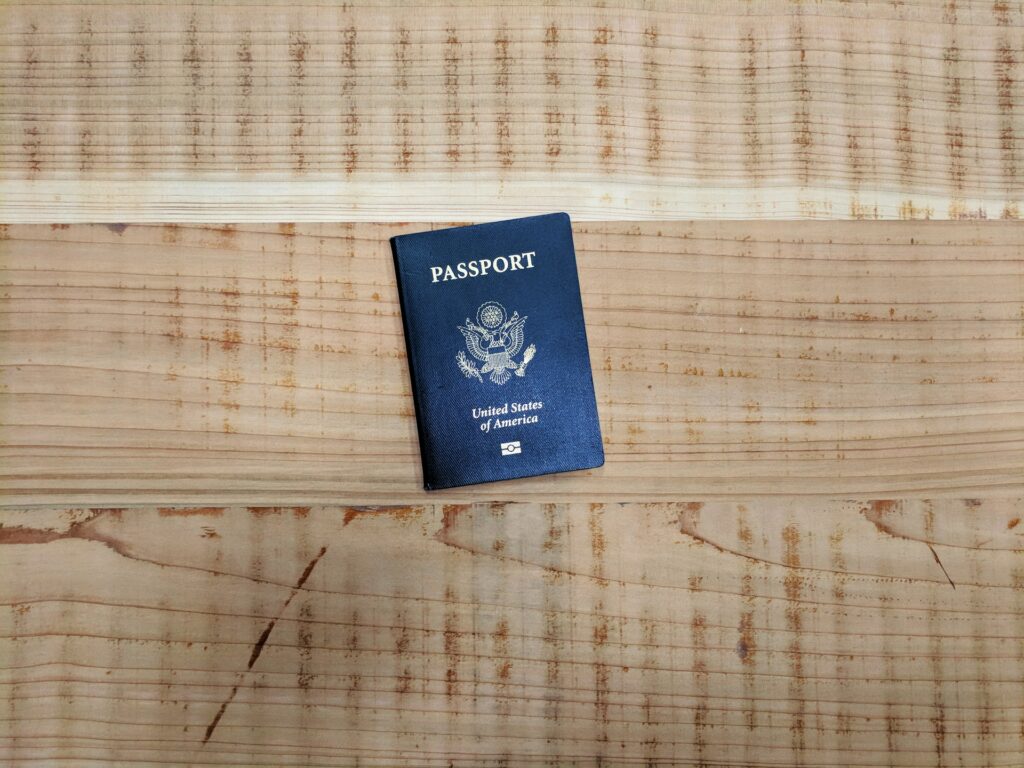
Divorce can significantly affect immigration status when lawful residency or visa eligibility was based on marriage to a U.S. citizen or lawful permanent resident. While a Texas court has authority to dissolve the marriage, it does not control immigration outcomes. Immigration consequences are governed entirely by federal law, and those consequences can vary depending on the type of visa, the stage of the immigration process, and the specific facts of the case.
For some non-citizen spouses, divorce does not automatically mean loss of legal status. In other situations, however, the timing of the divorce can directly affect eligibility for permanent residency, removal of conditions, or future naturalization. Understanding how immigration law intersects with the international divorce process is critical before finalizing a divorce decree.
Key immigration considerations may include:
- Whether the non-citizen spouse holds conditional permanent resident status
- Whether a joint petition to remove conditions has already been filed
- Eligibility for a waiver of the joint filing requirement after divorce
- Whether the non-citizen spouse has independent employment-based or family-based visa options
- The impact of divorce on pending green card applications
- How divorce may affect future naturalization eligibility
- Whether allegations of fraud could arise during immigration review
Timing can be especially important. In some cases, individuals may qualify for waivers that allow them to continue pursuing lawful permanent residence even after divorce. In other cases, failing to plan appropriately may result in denial of an application or loss of status.
Because immigration law is complex and fact-specific, consulting with an experienced immigration attorney is strongly advisable whenever divorce and visa or residency status intersect. Coordinating family law and immigration advice helps ensure that decisions made during the divorce do not unintentionally create long-term immigration consequences.
Mediation and Settlement in International Cases
Litigating an international divorce can be expensive, time-consuming, and emotionally draining. Mediation offers an opportunity for spouses to reach agreements without prolonged cross-border court battles. When both parties cooperate, mediation can streamline property division, child custody arrangements, and financial settlements.
Settlement agreements reached through mediation can be incorporated into a Texas divorce decree. This often reduces complications related to international service, enforcement, and jurisdictional disputes. In many cases, cooperation significantly simplifies the international divorce process.
Practical Steps to Start the Process
If you are preparing to move forward, consider the following steps carefully:
- Confirm that you meet Texas residency requirements
- Evaluate whether the court has personal jurisdiction over your spouse
- Identify the country where your spouse resides and whether it is a Hague Convention member
- Gather documentation related to assets, debts, and children
- Consult with an attorney experienced in cross-border divorce matters
Proper preparation at the outset can prevent costly procedural errors later.
Final Thoughts: Moving Forward with Confidence
So, how do you divorce a spouse who is in a foreign country? In Texas, the answer lies in meeting residency requirements, properly serving your spouse under applicable international rules, and understanding the limits of the court’s jurisdiction. While the international divorce process involves additional legal layers, it does not prevent you from ending your marriage through a Texas court.
With careful planning, knowledgeable legal guidance, and attention to international service and enforcement requirements, you can navigate the process successfully. Even when your spouse lives abroad, Texas law provides a path forward.

Other Articles you may be interested in:
- Texas Out-Of-State, International Divorce & Military Divorce
- Effective Tips on How to Get an International Divorce in Texas
- What court will hear issues about your child in relation to an international divorce?
- The Dirty Trick of Filing for Divorce in Another City
- The Dirty Trick of Moving Out of State with the Kids
- Should I move out of the marital home during a divorce?
- Children’s Passports and International Travel after Texas Divorce
- Can a Parent remove My Child from the state of Texas or from the County or Country where I am living?
- Geographic Restrictions in Child Visitation Orders in Texas
- Do I have to move out of the marital home during a divorce?
Frequently Asked Questions
Yes, you can file in Texas as long as you meet the state’s residency requirements. At least one spouse must have lived in Texas for six months and in the county of filing for 90 days. Your spouse does not need to have lived in Texas for the court to grant the divorce itself. However, the court may need personal jurisdiction over your spouse to divide certain property or order financial support.
The timeline varies depending on whether your spouse cooperates and which country they live in. If your spouse signs a waiver of service, the process can move at a pace similar to a standard Texas divorce. If service must be completed under the Hague Convention, it can take several months. Delays often depend on translation requirements and the foreign country’s procedures.
If your spouse is properly served under applicable international rules and does not respond, you may be able to proceed with a default divorce. The court will still require proof of valid service before granting relief. However, the type of orders the court can issue may depend on whether it has personal jurisdiction over your spouse.
In many cases, yes, but enforcement may require additional legal steps in the foreign country. Some countries recognize U.S. judgments through treaty agreements or principles of comity. Child support enforcement is often facilitated through international conventions. Property division and custody enforcement may require separate proceedings in the foreign court.