
Passed in 2018, Utah’s Free-Range Parenting law marked a groundbreaking change in how legislation views child-rearing and parental autonomy. As the first law of its kind in the United States, it encourages children’s independence. It builds problem-solving skills by allowing greater freedom in age-appropriate activities. It also protects parents from neglect claims when children are safe and cared for. The law reinforces the balance between fostering growth and ensuring well-being.
Rooted in the “free-range” philosophy, this law encourages children to explore, play, and navigate the world independently. It reflects the less intrusive parenting styles of earlier generations. Advocates believe this approach enhances resilience, self-reliance, and decision-making skills in children, better preparing them for adult challenges. This law represents a dynamic shift in parenting strategies.
What Is Considered Free-Range?
Utah’s law states that walking to school, playing outside, or staying home alone are not neglectful. The child must be well-fed, clothed, and cared for. The activities must also match the child’s age and development. This nuanced approach gives parents more freedom to decide when their child is ready for independent activities, without fearing legal consequences from broad standards of care.
The law also shows trust in parents‘ judgment and acknowledges that family needs and circumstances vary. It respects the diversity of parenting styles and recognizes that a universal rule doesn’t fit all situations. This flexibility allows parents to make decisions that best serve their family’s interests, promoting a more personalized approach to parenting.
The Downside Of Free-Range Kids
Critics, however, argue that the law could potentially expose children to risks and dangers in the absence of adult supervision. People have raised concerns about accidents, harmful influences, and encounters with strangers. The law takes a balanced approach. It upholds child welfare standards and holds parents accountable for their child’s safety and well-being.
Utah’s Free-Range Parenting law is a progressive legislation that promotes a balanced approach to parenting, encouraging children’s independence while maintaining essential child welfare standards. It allows parents to exercise discretion in granting their children autonomy, fostering skills such as resilience and self-reliance. The law respects the diversity of family needs and parenting styles, providing a flexible framework that adapts to individual circumstances while ensuring the fundamental safety and well-being of children.
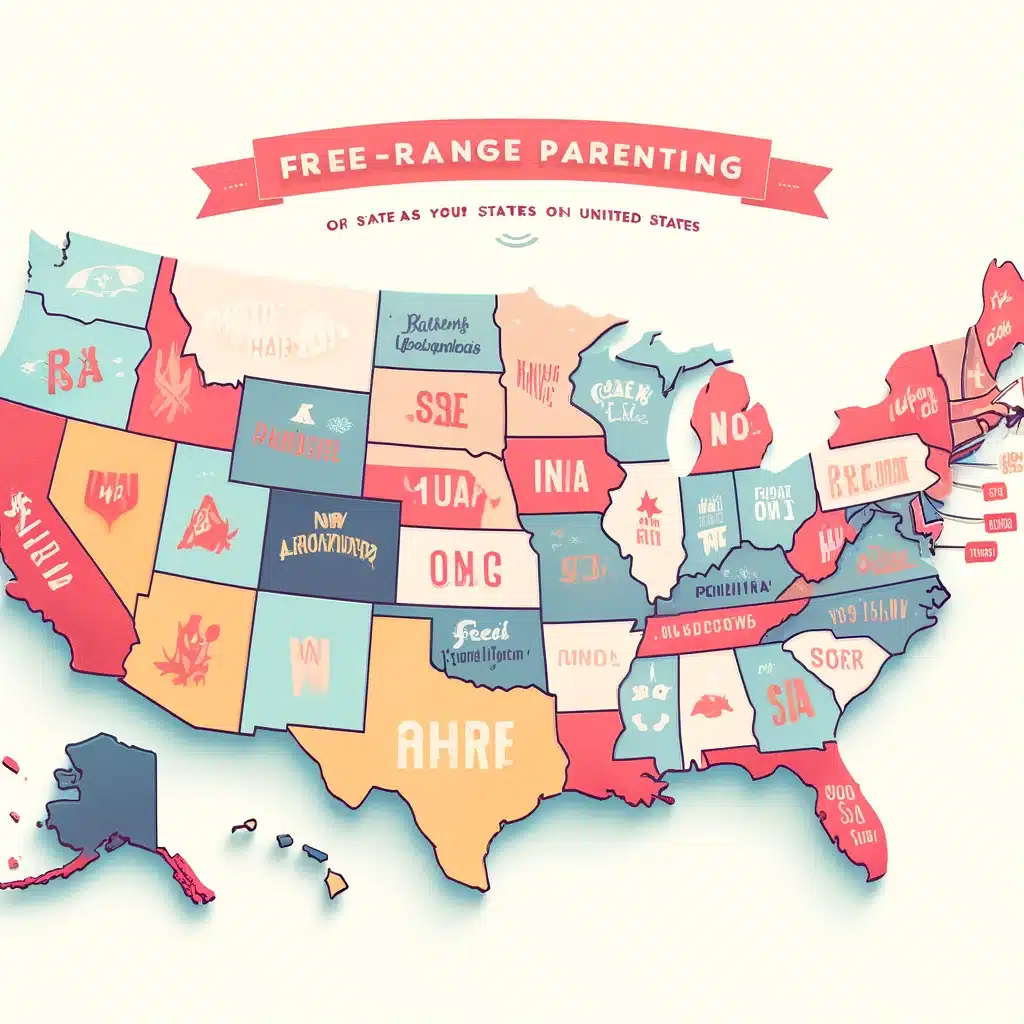
What Other States Harbor This Law Or Something Similar?
Utah
In 2018, Utah led the way in the Free-Range Parenting movement in the United States by passing a law that significantly boosts children’s independence. The law allows children to walk to school, play outside, and stay home alone without parents facing neglect charges, as long as the child’s basic needs are met and the activities fit their age. The intent behind this legislation is to enhance self-sufficiency, resilience, and problem-solving skills in children.
Texas
Texas followed Utah’s lead by passing a similar law that supports the Free-Range Parenting philosophy. The Texas law encourages parents to allow their children to engage in independent activities that are suitable for their age and maturity level. It acknowledges the importance of nurturing independence in children, helping them develop essential life skills, while also ensuring their safety and well-being.
Oklahoma
Oklahoma’s Free-Range Parenting law aligns with the broader movement that encourages allowing children reasonable independence. The state’s law protects parents from unfair penalties when children take part in age-appropriate activities. It recognizes the value of building self-reliance and decision-making skills from a young age.
Colorado
Colorado’s adoption of the Free-Range Parenting law signifies a progressive step toward respecting parental discretion and recognizing the benefits of child autonomy. Colorado law shields parents from legal trouble when children engage in reasonable, independent activities. It bases decisions on the child’s age and development. The law promotes a balanced and thoughtful approach to parenting.
Montana, Connecticut, Virginia, and Illinois
Several states have embraced the Free-Range Parenting philosophy, enacting laws that protect parents who allow their children reasonable independence. These laws vary in specifics, but they share a common goal. They allow children to do unsupervised activities, like walking to school or playing outside, without labeling parents as neglectful. These regulations aim to cultivate responsibility, confidence, and problem-solving skills in children, preparing them for a variety of life challenges.
Each state’s approach to Free-Range Parenting reflects a deep understanding of child development, stressing the importance of nurturing independence and resilience. The laws seek a balance that lets children explore, learn, and grow while maintaining essential safety measures to protect their well-being. They also respect parental autonomy, allowing parents to make informed decisions about their children’s activities and independence tailored to individual circumstances and needs.

Blurred Line Of Free-Range Parenting And Child Neglect
Navigating the blurred lines between Free-Range Parenting and child neglect is a nuanced task that each state handles with a combination of legislative clarity, community education, and professional discretion from child protective services. Here’s a breakdown of how states manage this delicate balance.
Legislative Clarity
States with Free-Range Parenting laws often provide legal definitions and criteria to distinguish between allowable independent activities and neglect. The laws state that unsupervised activities like walking to school or playing outside are not neglect if the child is mature enough and has basic needs such as food, clothing, and shelter met.
Age And Maturity Considerations
The laws often consider the child’s age and developmental level in determining what constitutes reasonable independence. This approach allows for flexibility and acknowledges that children’s capabilities and readiness for independence vary.
Community Education And Awareness
States may engage in efforts to educate communities and parents about the principles of Free-Range Parenting and the legal provisions that protect reasonable parental decisions. Education helps to foster a community understanding and acceptance of diverse parenting styles and reduces misconceptions that may lead to unnecessary reporting of neglect.
Professional Discretion And Assessment
Child protective services professionals are typically trained to assess situations with a nuanced understanding of the law and child development. Their assessments consider various factors, including the child’s age, the nature of the independent activity, and the overall safety and well-being of the child.
Focus On Child’s Well-Being
The primary focus remains on the child’s well-being. Laws and protective services aim to ensure that children are safe, cared for, and not exposed to harm or undue risk, even as they are allowed reasonable independence.
Encouraging Responsible Parenting
The laws promote independence and encourage parents to make responsible, thoughtful decisions about their child’s activities, ensuring kids are safe and capable of handling the situations they face.
States with Free-Range Parenting laws aim for a balance that enhances children’s independence and resilience while protecting their well-being. They provide legal clarity, factor in children’s age and maturity, educate communities, and allow for professional discretion in assessments. These measures help distinguish between Free-Range Parenting and neglect, supporting children in safely exploring the world with a reasonable level of autonomy. This approach significantly contributes to effective parenting strategies.
What Are The Benefits Of Free-Range Parenting
Free-Range Parenting laws, when implemented and practiced thoughtfully, can indeed have an impact on child welfare systems, potentially reducing the number of cases that might be classified as neglect due to misconceptions or differing parenting philosophies. Here’s how these laws can help:
Clarifying Legal Boundaries
Free-Range Parenting laws provide clear guidelines on what constitutes neglect, helping to prevent unnecessary investigations or interventions by child protective services. This clarity can help focus resources on genuine cases of neglect or abuse.
Promoting Responsible Independence
By allowing children to engage in age-appropriate independent activities, these laws promote the development of resilience, problem-solving skills, and self-sufficiency in children, which can contribute to overall child well-being and reduce vulnerabilities.
Respecting Parental Judgment
These laws respect the diversity of parenting styles and the ability of parents to make suitable judgments about their children’s readiness for independent activities, reducing the likelihood of legal interventions based on subjective or cultural biases.
Community Awareness and Education
With clear laws and guidelines, there can be better community awareness and understanding of acceptable practices, reducing the likelihood of unwarranted reporting of neglect due to differences in parenting philosophies.
Focusing Resources
By focusing on genuine neglect cases, child protective services can more effectively use their resources to help children who are truly at risk. This improves the impact of interventions and support services.
Free-Range Parenting laws help clarify the definition of neglect while promoting children’s independence, but they also highlight the need for balance. Communities, courts, and child welfare agencies must remain vigilant and compassionate to safeguard children’s well-being. Ultimately, ensuring that every child grows up in a safe, supportive environment—whether through greater independence or closer supervision—remains at the heart of effective parenting.
Need Help? Call Us Now!
Do not forget that when you or anyone you know is facing a criminal charge, you have us, the Law Office of Bryan Fagan, by your side to help you build the best defense case for you. We are committed to representing your interests and securing the most favorable outcome for you. Our team will thoroughly explain all aspects of your trial and the most effective defense strategies. We will guide you through each stage of the criminal process, ensuring you understand every step.
Therefore, do not hesitate to call us if you find yourself or someone you know who is facing criminal charges unsure about the court system. We will work with you to give you the best type of defense that can help you solve your case. It is vital to have someone explain the result of the charge to you and guide you in the best possible way.
Here at the Law Office of Bryan Fagan, we have professional and knowledgeable criminal law attorneys who are experienced in building a defense case for you that suits your needs for the best possible outcome that can benefit you.
Also, here at the Law Office of Bryan Fagan, you are given a free consultation at your convenience. You may choose to have your appointment via Zoom, Google Meet, email, or an in-person appointment, and we will provide you with as much advice and information as possible so you can have the best possible result in your case.
Call us now at (281) 810-9760.

Other Related Articles
- Latest On Free-Range Parenting: Mother Arrested For Children Independence
- Free-range parenting laws and child neglect
- Understanding the Role of Parenting Classes in Texas Divorce Law
- Parenting Time eBook
- The Secrets to Creating Successful Texas Parenting Plans
- What is Conflicted Co-Parenting?
- What Are The Three Types of Co-parenting?
- 2023 Guide to Parenting Agreements & Access in Family Law
- Can only biological parents be granted parenting time?
- Co-Parenting with an Abusive Ex-Spouse
Free-Range Parenting and Child Neglect FAQs
Free-Range Parenting is a philosophy that allows children to have more independence and engage in some activities without direct parental supervision, promoting self-sufficiency and problem-solving skills.
States like Utah, Texas, Oklahoma, Colorado, Montana, Connecticut, Virginia, and Illinois have enacted Free-Range Parenting laws.
These laws provide guidelines on what constitutes reasonable independence for children based on their age and maturity, helping to distinguish between Free-Range Parenting and neglect.
The minimum age varies by state, ranging from 6 to 14 years old, with some states using criteria like ‘sufficient age and maturity’ instead of a specific age.
Yes, by clarifying what constitutes neglect, these laws can help focus child protective services on genuine cases, reducing unnecessary interventions in cases of reasonable independence.


